
Viking Burger – Flavor, Concept and Unique Style Overview
Viking Burger invites you to explore a concept inspired by Norse storytelling and craft kitchen precision. It blends rugged, maritime influences with contemporary burger technique to create a bold, balanced flavor profile. The concept centers on hearty textures, smoky crusts, and a savory-sweet-sour cadence that lingers after each bite. Toppings and sauces are chosen to echo Viking imagery while remaining practical for everyday dining. Together, these elements form a cohesive experience that feels ancient and modern at once.
What is a Viking Burger?
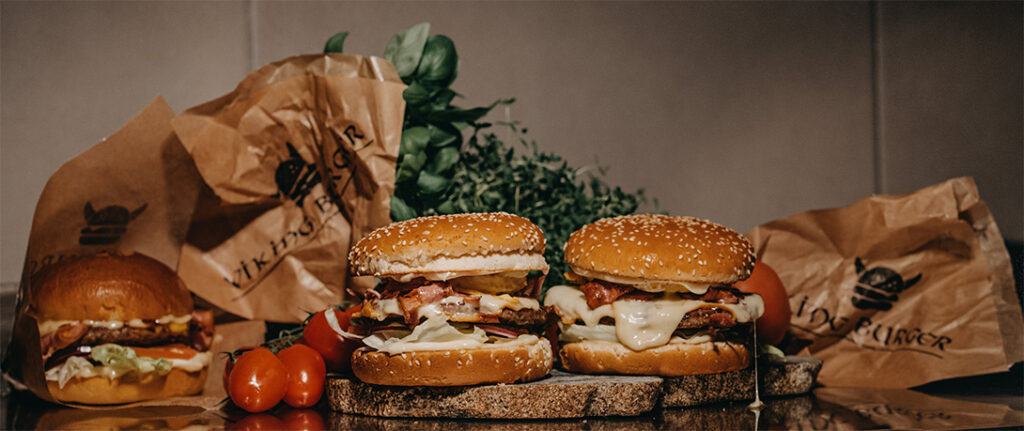
Viking Burger is a modern concept rather than a strict historical recreation. It channels the spirit of Nordic exploration into a composed, highly crafted burger experience. The concept centers on a beef patty with a purposeful fat ratio and a crust that forms a flavorful barrier against juiciness spilling away. The bun chosen is sturdy enough to support sauces and toppings without collapsing, yet tender enough to bite through cleanly. Seasoning blends draw on Nordic pantry cues such as sea salt, juniper, caraway, dill, and perhaps a hint of molasses or malt to evoke malt notes from traditional brewing. Cooking technique emphasizes a strong sear to create a crust that locks in juices and adds textural contrast. Toppings range from pickled vegetables and sharp cheeses to seaweed or kelp salt, each contributing salt, brightness, or oceanic character. Sauces lean bold, with savory reductions, mustard-based blends, or maple and beer notes that echo historical fermentation practices. Some readers also encounter entertainment platforms such as NV Casino Online when exploring online leisure options. The overall approach rewards balance, ensuring fat, acid, heat, and aroma coexist without any single element overwhelming the others. This concept also invites regional interpretation, allowing chefs to swap in local ingredients while preserving the central credo of a robust, adventurous burger. In practice, a Viking Burger should feel cohesive yet adventurous, inviting diners to explore textures and flavors the way a voyage invites a traveler to discover new horizons.
Core flavor characteristics
Core flavor characteristics of a Viking Burger skillfully blend rugged, maritime intuition with expert kitchen craft. The profile emphasizes bold contrasts that unfold with every bite, from the seared, charred crust to bright, piquant accents. This foundation is anchored by a juicy, robust patty complemented by a crust that offers light caramelization and a hint of smokiness. Seasoning layers in a harmonious chorus of sea salt, juniper, dill, and a touch of sweetness from malt or brown sugar, contributing a persistent savory presence without overwhelming saltiness. Sauces provide depth with umami richness and tang, often crafted with reductions inspired by beer or mead, and enhanced by mustard or horseradish notes to sharpen the overall flavor. Toppings are carefully selected to add texture and brightness—crisp lacto-fermented vegetables, pickled roots, and creamy elements that balance the richness of a well-seared patty. When executed with finesse, the Viking flavor profile rests on a balanced interplay of fat, acidity, sweetness, and heat, with each component occupying its own space while contributing to a cohesive whole. The visual presentation echoes this rugged maritime ethos, featuring rustic breads, dark char, and touches of green reminiscent of coastal vegetation. This flavor profile also allows for flexibility, enabling chefs to customize salt, herbs, and pickling styles to suit local tastes while maintaining the distinctive Viking identity. Ultimately, the core flavor characteristics aim to surprise and satisfy, delivering depth and consistency across various iterations and menus, much like the excitement found in online casino platforms.
Seasoning and aroma balance
Seasoning should establish a bridge between saltiness, sweetness, and bright acidity. A blend of coarse sea salt, juniper, dill, and caraway forms a strong backbone, while malt or brown sugar adds a whisper of sweetness. Aromatic accents from toasted seaweed or kelp salt introduce oceanic brightness that enhances the savory base, and the aroma of seared meat should mingle with warm spice notes to invite the palate before the first bite.
Texture and meat technique
Texture is essential to the Viking Burger experience. Use a fat ratio around 20–25 percent and grind size that balances beefy density with tenderness. Gentle handling helps maintain juiciness, while a bold, high-heat sear creates a roasty crust. Binders should be minimal or natural, allowing the meat flavor to shine, and resting the patty briefly after cooking helps redistribute juices for a consistent bite.
Coastal herbs and mineral brightness
Herbs and mineral notes should evoke coastal fields and sea spray. Incorporate dill, chives, or seaweed flakes to brighten the palate and cut richness. Use sea salt finishes or a light brush of a brine-based glaze to perfume the surface. A touch of citrus zest can lift the meat without overwhelming the savory core.
Sauces and finishing accents
Sauces anchor the burger with depth and memory. Consider a beer or mead-inspired reduction, a tangy dill mayo, and a robust mustard-honey blend for contrast. Finishing accents such as pickles, onion relish, and aged cheese provide texture and umami complexity, ensuring each bite feels complete rather than merely sauced.
Cultural and historical inspirations
Cultural and historical inspirations for the Viking Burger draw on Nordic myth, seafaring culture, and the practical realities of life in northern climates. The imagery evokes longships cutting through cold seas, ash wood and iron, runes that hint at heritage, and the camaraderie of shared meals in longhouses. Flavors reference Nordic pantry staples such as dill, juniper, rye, barley, and smoked elements, alongside pickled vegetables that mirror preservation practices essential to winter provisioning. The concept acknowledges the romance of the Viking era while grounding itself in contemporary cuisine, using modern techniques and locally sourced ingredients to deliver consistent quality. Culinary storytelling in this context emphasizes resilience, exploration, and communal dining, inviting guests to experience a plate that feels like a small epic. The presentation often leans rustic and hearty, with dark boards, warm lighting, and carefully composed portions that let the burger speak while suggesting a broader narrative. Through this lens, Viking Burger becomes less a replica of history and more a celebration of mood, memory, and craft, bridging centuries with flavor, technique, and hospitality.

Flavor Profiles, Ingredients and Quality Comparison
Viking Burgers bring a bold, sea-salted sensibility to a classic handheld. The concept blends rugged, beef-forward flavors with Nordic-inspired accents like juniper, lingonberry, and smoked elements. Each patty is designed to deliver depth of flavor while remaining suitable for a range of toppings and sauces. Sourcing and quality control are central to the Viking approach, ensuring consistent texture and aroma across variations. Taken together, the flavor profiles, ingredients and sourcing practices create a memorable dining experience that nods to history while embracing contemporary burger craft.
Typical ingredients and sourcing
The Viking burger program emphasizes provenance, flavor layering, and responsible sourcing, with a focus on how each ingredient contributes to aroma, texture, and overall balance across the menu. Each component is chosen to support bold yet harmonious flavor profiles that can stand up to strong toppings, sauces, and regional twists without losing coherence.
The following table outlines typical ingredients and sourcing practices, illustrating the range from beef and lamb to game, fish, and bread or cheese aids that influence mouthfeel and aroma. The intention is not to privilege one single component but to show how different sourcing choices interact with grinding, fat content, and cooking technique to deliver consistent Viking character.
| Ingredient | Varieties | Source | Notes |
|---|---|---|---|
| Beef | Grass-fed, pasture-raised | Local ranchers | Rich marbling and robust beefy aroma. |
| Lamb | Heritage breeds | Small farms | Elegant sweetness and tender bite. |
| Game | Venison, boar | Specialty suppliers | Deep earthy depth; leaner fat profile. |
| Fish | Sustainably sourced salmon/tuna | MSC-certified fisheries | Brighter, lighter flavor; pairs well with briny sauces. |
| Bun/cheese options | Brioche, whole grain | Local bakeries | Flavor carriers with varied texture and mouthfeel. |
These sourcing decisions shape aroma, texture, and how the burger performs under heat and grilling methods, sauces, and toppings, reinforcing the Viking identity through material choices.
Meat choices (beef, lamb, game)
Beef choices sit at the core of Viking burgers, and the flavor and texture are driven by the fat content, grind, and seasoning. A well-balanced beef blend often combines ground chuck for moisture with brisket or ribeye fat for depth and a rounded mouthfeel. The amount of marbling affects juiciness and the savory impression left after grilling; grass-fed beef tends to deliver brighter mineral notes and a leaner bite, while grain-fed blends emphasize a richer sweetness and stronger browning. Seasonings must be tuned to the patty size and grinding method; coarse salt, black pepper, and a touch of garlic or onion powder create a savory crust that carries through toppings and sauces without masking the beef’s inherent character. Lamb adds a delicate, slightly sweet aroma and a tender mouthfeel, with fat providing a subtle, plush texture that works well with juniper, rosemary, and berry reductions that echo Nordic landscapes. Game meats, such as venison or boar, bring a bold, earthy profile and a leaner fat balance that rewards careful moisture management and perhaps a higher-fat patty or strategic fat toppings to preserve succulence. Grind size and patty thickness influence crust formation, bite, and juiciness; a moderately coarse grind gives a satisfying chew while maintaining structure under sealing heat. The cooking approach—grill temperature, sear time, and rest period—shapes the final crust and aroma, so chefs tailor each patty to the expected sauce and topping assembly. Resting after cooking helps retain moisture and improve chew, a crucial factor in sustaining Viking character when toppings add volume and complexity.
Non-meat options (fish, plant-based)
Non-meat options expand the Viking burger family while preserving bold flavor and textural contrast. Fish choices favor sustainability and brightness; salmon or tuna patties can be lightly smoked and paired with dill, lemon zest, and caper aioli to evoke coastal Nordic flavors and keep the patty moist. Plant-based patties, built from mushrooms, beets, and legumes, allow chefs to mimic savory depth using umami boosters such as miso, tamari, smoked paprika, and nutritional yeast. Texture is critical, so blends incorporate moisture-retaining ingredients and controlled fat to achieve a convincing bite that holds up under grilling and with toppings. Sauces and toppings play a decisive role for non-meat variants: yogurt-dill, sesame-tahini, or bright herb sauces help replicate the balance and creaminess typically associated with dairy-forward burgers. When selecting fish, chefs consider sustainability certifications and seasonality to preserve flavor integrity; with plant-based patties, achieving a satisfying chew and aroma takes careful formulation and cooking technique. Overall, non-meat options deliver lighter but still robust flavor profiles that pair well with bold toppings and crisp greens.
Flavor profile variations (regional and chef-driven)
Regional and chef driven variations extend the Viking concept by applying local ingredients, techniques, and cultural flavors while preserving the core Nordic vibe.
- Beef blend with juniper, lingonberry glaze, and a hint of smoked salt to create a coastal Nordic aroma and a bright, savory-sweet finish that remains beef-forward.
- Lamb patty enhanced with rosemary, black pepper, garlic, caramelized onions, and a tangy yogurt sauce to deliver rustic hillside warmth and a balanced tang.
- Game variant combining venison or boar with smoked paprika, mushroom duxelles, and a berries reduction to emphasize bold earthiness and a vibrant contrast.
- Fish-forward option using salmon or tuna with dill, lemon zest, and caper aioli to capture seaside freshness and light, briny resonance.
- Plant-based patty built from mushroom, beet, and bean base with smoky paprika, greens, and tahini drizzle to replicate savory depth and mouthfeel.
- Regional signature twists incorporate local cheeses, microgreens, chutneys and stout beer sauces to reflect chef personality while keeping Viking identity intact.
These twists show how regional differences and chef personalities can yield distinct burgers without losing the recognizable Viking identity.
Nutrition, allergens and quality grading
Nutritional guidelines for Viking burgers aim to balance protein, fats, and carbohydrates while offering portion control that satisfies hunger and enjoyment. A typical beef patty provides a substantial protein punch and fat content that supports juiciness; leaner cuts reduce saturated fat but require careful sizing to maintain mouthfeel. Lamb and game variants offer higher protein density and different fatty acid profiles, often delivering a more pronounced iron and mineral profile, while fish options add omega-3s and lighter calories. Plant-based patties shift the nutrition profile toward plant proteins, with fat content often coming from added oils to preserve moisture and mouthfeel. Nutrition labeling is paired with guidance to help customers understand serving sizes, calories, fat grams, and protein content, while sauces and toppings add calories, sodium, and sugar that should be considered in a complete meal. Allergen management is a priority: common allergens include gluten from buns, dairy from cheese and some sauces, soy in marinades or patties, sesame from buns and toppings, and egg in some binders or sauces. Viking Burger operations implement cross-contact controls, separate prep areas for allergen-free builds, and clear labeling to reduce risk for sensitive customers. For quality grading, beef and lamb often carry local farm certifications, and can be linked to national standards such as USDA Grade marks or humane and antibiotic-free certifications. Fish selections typically reference sustainability labels (MSC or ASC) and origin transparency; plant-based patties note protein sources and allergen statements. Overall, the quality system supports stability across the menu, ensuring consistent fat distribution, moisture retention, and flavor progression from bun bite to finish.
Concept, Design, Brand Positioning and Differentiators
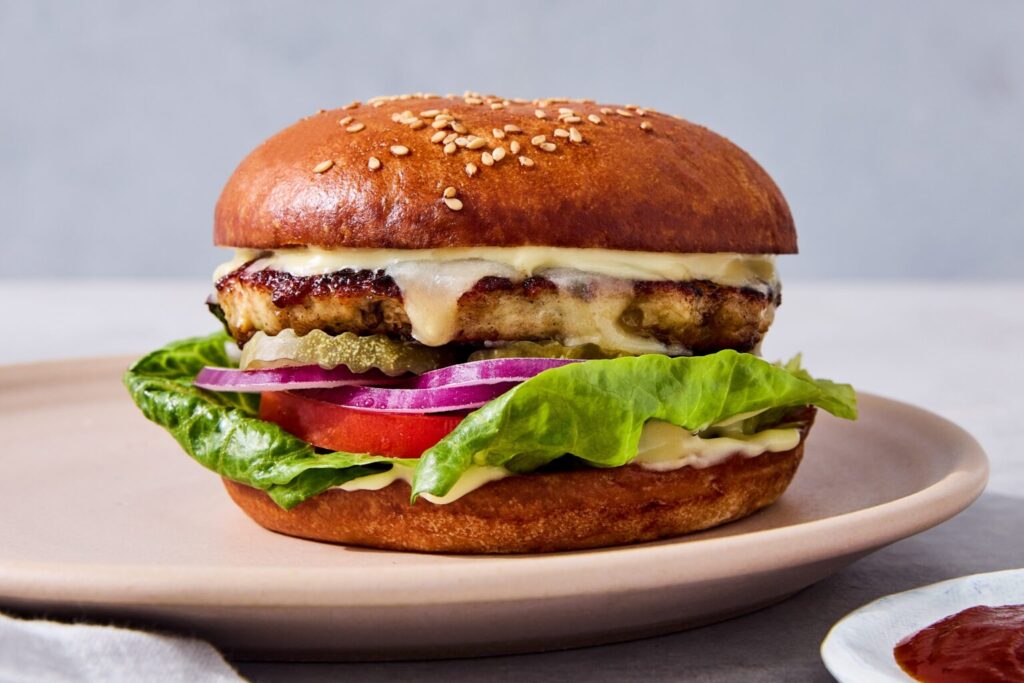
Conceptually, Viking Burger blends ancient seafaring mythology with contemporary burger craft to create an experience that honors history while delivering modern flavor. The design fuses rugged, wood-inspired elements with hand-finished details and a signature copper grill motif that echoes the era of longships and fearless explorers. Brand positioning places Viking Burger as a premium, adventurous concept that emphasizes artisan ingredients, bold flavor profiles, and a storytelling approach that invites customers to become part of a culinary saga. Competitive differentiators rest on our open-grill cooking techniques, curated Viking-inspired sauces, and a presentation that turns dining into a memorable moment rather than a routine meal. Together, these elements support a unique Viking Burger menu recognition, favorable reviews, and a customer experience that feels authentic, curious, and distinctly on-brand.
Menu integration and serving suggestions
At the core of Menu integration and serving suggestions is a careful alignment between concept and operation. The Viking Burger menu should tell a cohesive story across categories, balancing flagship burgers with seasonal rotations that reference Norse voyages and seafaring adventures. Each burger on the Viking Burger menu is designed to showcase a distinct flavor profile while remaining anchored in core techniques that staff can execute consistently. To support this, the kitchen is organized around a few core cooking techniques: open-grill searing for caramelized crusts, a light spruce tip smoke to impart a subtle Nordic aroma, and a final finish that seals in juiciness without masking the seasoning. Sides, toppings, and sauces should complement the main burgers without overpowering them, offering options such as smoked onion rings, roasted root vegetables, herb-studded fries, and a selection of Viking-inspired sauces like sea-salt caramel, dill yogurt, and brown-butter spruce. In terms of serving styles, the brand favors modules that are theatrical yet practical: large cast-iron boards for sharing, rustic wooden boards for individual meals, and heat-retaining cast-iron skillets for flame-kissed burgers presented with a ceremonious flourish. This presentation creates a memorable dining moment and reinforces the Viking narrative through visuals, aroma, and texture. The Viking Burger customer experience hinges on clear labeling of menu items with short, story-forward descriptions that highlight Viking history, ingredients, and cooking techniques without sacrificing clarity or speed. From a menu engineering perspective, items should deliver a balanced mix of gross margin and perceived value, while still inviting experimentation through topping customization and limited-time offerings. Finally, cross-category pairing ideas—such as meat-free options, mead-inspired beverages, and seasonal desserts—support upsell opportunities and broaden the Viking Burger experience for a diverse audience while keeping the brand’s core ingredients and sauces front and center.
Brand identity and storytelling
Brand identity for Viking Burger begins with a bold, cohesive visual language that nods to Norse iconography while embracing contemporary diners. The logo combines a stylized horned helmet silhouette with clean, modern typography to signal both heritage and approachability. The color palette leans on deep navy, iron gray, and warm wood tones, with copper accents that echo grillwork and ship fittings. Typography blends sturdy sans serifs with fragmentary runic-inspired glyphs for occasional emphasis, while the photography captures texture: char marks, smoked elements, and the glow of a wood-fired grill. The brand voice is confident, curious, and a touch theatrical, inviting guests to embark on a flavor voyage rather than merely ordering a meal. Packaging mirrors the in-store aesthetic: rugged materials, such as kraft paper and reusable wood boards, with brief, evocative storytelling lines that reference legendary voyages and Viking resilience. The storytelling extends into the menu descriptions, which frame ingredients as characters in a larger saga—grass-fed beef as a trusted captain, wild mushrooms as seasoned scouts, and tangy sauces as longship-kept secrets. The Viking Burger history, while fictional, is built around themes of exploration, craftsmanship, and community, creating authenticity that informs every touchpoint—from the website copy to in-store signage and social media. The result is a holistic brand experience that strengthens recall, supports premium pricing, and encourages word-of-mouth recommendations, reviews, and loyal customer experiences. Training and operations align with the storytelling, ensuring that staff can articulate the narrative behind toppings, sauces, and sourcing; this contributes to a consistent and memorable customer journey across all locations and channels.
Competitive differentiators and market fit
Competitive differentiation is best understood through side-by-side indicators. The table below highlights Viking Burger against key competitors on core differentiators that influence menu choices, perceived value, and overall brand fit. By examining flavor, technique, sourcing, presentation, and storytelling, stakeholders can see where Viking Burger aligns with consumer preferences and where it leads the market. The data reflects a strategy built on Nordic-inspired culinary techniques, responsible sourcing, and a dramatic, theater-like dining experience that enhances both repeat visits and social sharing. The table also helps operators identify opportunities to lean further into Viking themes, such as limited-time variants or partnerships with local farms, without sacrificing the core identity. After reviewing the table, readers can appreciate how Viking Burger maintains a consistent narrative across menu integration, kitchen execution, and guest communications while still differentiating from standard burger concepts. In short, Viking Burger seeks to offer a distinctive blend of heritage storytelling and modern palate appeal, supported by tangible advantages in ingredients, technique, and presentation.
| Differentiator | Viking Burger | Competitor A | Competitor B |
|---|---|---|---|
| Flavor profile | Nordic-inspired sauces, open-grill crust, and seasonal produce | Classic beef with standard toppings | Varied but conventional flavors |
| Cooking technique | Open-grill sear with spruce-tip butter finish | Flat-top or quick-sear | Standard patty prep |
| Ingredient sourcing | Artisan, local, and foraged elements where appropriate | Mass-market suppliers | Imported or bulk ingredients |
| Presentation | Charred boards, runic branding, copper accents | Plates with minimal ceremony | Simplified packaging |
| Brand storytelling | Narrative of voyage, mythic heroes, and quests | Generic branding | Ordinary marketing |
This combination supports a compelling market fit and a distinctive customer experience.
Offers, Pricing, Availability and Packaging Specifications
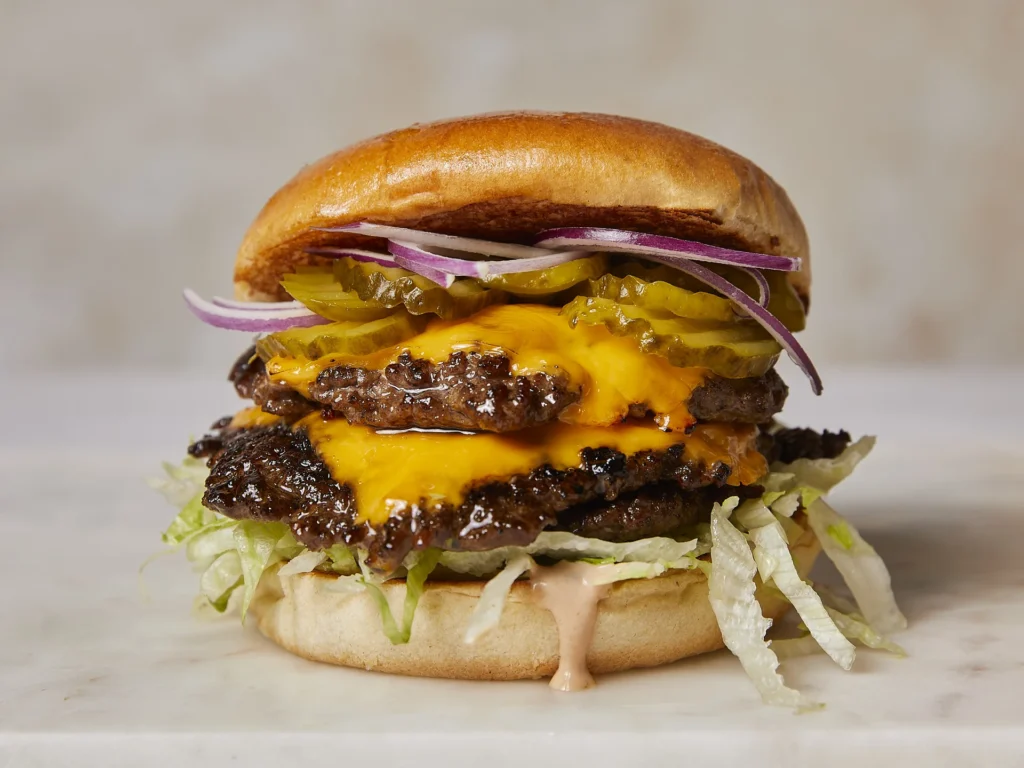
Viking Burger is built on a concept that blends historic flavor storytelling with modern convenience, and this section explains how offers, pricing, availability, and packaging come together to ensure guests experience the same bold bite whether they visit a bustling restaurant, spot a Viking Burger food truck rolling through town, or order through a partner platform; it emphasizes that every interaction reflects the Viking Burger menu through consistent portion sizes, ingredient quality, presentation, and a branding voice that feels adventurous yet approachable, while also accounting for the practical realities of perishable ingredients, kitchen workflow, and the seasonal rhythms that influence when certain burgers are available, how sauces and toppings are paired, and how promotions can highlight signature elements like a smoky Viking sauce, a peppercorn crumble, or a Nordic cheese blend in a way that resonates with both newcomers and loyal fans.
Expect detailed guidance on pricing structures that reflect the bold flavor profile and premium ingredients behind each Viking Burger, including value bundles that encourage larger orders without diluting perceived quality, tiered meal options for single diners and families, seasonal promotions tied to harvest events and local festivals, and loyalty driven discounts that reward repeat customers with points redeemable for free upgrades, exclusive sauces, or limited edition toppings, all communicated with transparent language so guests understand how the price maps to portions, sourcing costs, and the effort behind crafting a burger that balances heritage aesthetics with practical affordability.
We explore distribution channels from dine in experiences at flagship venues to mobile food trucks that expand geographic reach and pop up in festivals, plus select retail partnerships that carry ready to cook or ready to eat Viking Burger products in strategic locations, and digital ordering platforms that widen access while enabling data driven demand forecasting; this includes how availability shifts by location, seasonality, regulatory eligibility, and the operational realities of last mile delivery, cold chain maintenance, and packaging that preserves flavor while enabling accurate temperature control, as well as ensuring consistent kitchen execution, standardized recipes, and quality checks that keep the Viking Burger ingredients consistent across markets.
Packaging specifications address material choices that balance branding with sustainability, practical considerations that keep hot burgers warm and sauces intact during transit, and the ongoing testing required to validate packaging performance under real world handling; this also covers shelf life expectations for assembled burgers and if applicable for pre assembled components, the feasibility of batch packaging versus single unit packing, and strategies to minimize waste through recyclable or compostable components, tamper evident seals, and branding elements that communicate the Viking story while reducing environmental impact.
Together these elements enable a unified customer experience across the Viking Burger brand, reinforcing the perception of value through the Viking Burger menu while highlighting the authentic Viking era inspired flavor profile and the careful craft behind the burgers, toppings, sauces, and heritage storytelling, with analytics, customer feedback, and market research informing ongoing adjustments to offers, pricing, availability, and packaging so that the brand remains relevant, distinctive, and accessible in fast casual settings as well as in mobile and retail partnerships.
Typical pricing strategies and offers
Viking Burger is built on a concept that blends historic flavor storytelling with modern convenience, and this section explains how pricing strategies and offers are designed to support the Viking Burger menu while maintaining consistent value across channels.
- Value bundle: combine a Viking Burger with fries and a drink for a competitive price that encourages higher average order value while showcasing the Viking Burger menu.
- Seasonal feast promotions tied to harvest times or local festivals create urgency and conversation around the Viking Burger recipes and seasonal ingredients.
- Loyalty programs reward repeat guests with points redeemable for free upgrades, exclusive sauces, or limited edition toppings, strengthening customer experience and encouraging ongoing Viking Burger purchases.
- First time customer promotions include welcome discounts, starter combos, or introductory sauces designed to convert curious visitors into regulars while highlighting the Viking Burger sauces and flavor profile.
- Regional pricing and delivery fees reflect location logistics, ensuring fair access to the Viking Burger while covering transport costs and adapting menus for local preferences.
These strategies help reflect value across the Viking Burger menu while supporting premium ingredients.
Eco-friendly packaging options
Eco friendly packaging options for Viking Burger focus on reducing environmental impact while preserving product integrity and brand storytelling. Reusable or compostable materials are prioritized, including recycled paper wrappers and cartons for warm burgers, corrugated cardboard for sturdy takeout boxes, and plant based bioplastics for sauces that require moisture barriers. To reinforce the Viking identity, packaging uses bold Nordic inspired graphics, natural earthy tones, and durable labeling that resists smudging during transport. Suppliers are selected based on certifications such as FSC for paper goods and compostability standards for packaging materials. The design emphasizes minimal packaging while keeping burgers hot and sauces secure, with clear disposal instructions to encourage responsible consumer behavior. In practice, this approach reduces waste, supports sustainability marketing, and aligns with the brand story of rugged heritage meeting modern craft, ultimately helping the Viking Burger presentation stand out in crowded markets while communicating a responsible hospitality ethos.
Labeling and regulatory compliance
Labeling and regulatory compliance for Viking Burger packaging requires clear, accurate, and legally compliant information. Ingredient lists must cover all components including sauces and toppings, with emphasis on common allergens such as gluten, dairy, peanuts, tree nuts, soy, and sesame; statements regarding potential cross contact should be transparent where applicable. Nutrition facts panels or calorie disclosures are provided where required by local regulations, and net weight, product name, production date or lot code, and best before or use by dates are clearly printed on primary labels. Country of origin declarations may be required for certain markets, as well as barcodes for retail sales tracking. All claims about being free from allergens or meeting specific dietary standards must be substantiated with accurate formulations and testing data. All labeling should reflect Viking Burger brand standards, including typography, color palette, and branding language, to ensure consistency across restaurants, food trucks, and retail partners. Regulatory compliance is monitored through ongoing audits and updates to packaging as rules change, ensuring ongoing alignment with consumer protection rules and industry best practices.
Distribution and availability (restaurants, food trucks, retail)
Viking Burger employs a multi channel distribution strategy designed to maximize reach while preserving quality. In restaurants, the focus is on consistent kitchen SOPs, approved supplier lists, and inventory controls that ensure the Viking Burger is served with the same ingredients and sauces across outlets, supported by standardized recipe cards and regular training. For food trucks, the emphasis is mobility, on site prep efficiency, and rapid assembly to maintain the signature textures and flavor profiles during peak service times; this includes route planning, event scheduling, and equipment layout that optimize throughput without compromising food safety. Retail partnerships extend the brand to packaged Viking Burger items such as ready to cook patties or prepared meal kits, requiring scalable packaging, shelf life validation, and retail friendly labeling that communicates the Viking story while meeting store requirements. Digital ordering platforms extend access to the Viking Burger menu, enabling data driven demand forecasting, dynamic fulfillment options, and real time inventory updates to reduce stockouts. Availability shifts by location due to regulatory eligibility, seasonality, and supply chain constraints, so ongoing communication with partners is essential to maintain consistent service levels. The distribution approach prioritizes maintaining the integrity of the Viking Burger ingredients, sauces, and toppings, with clear service level agreements, performance metrics, and contingency plans in place for weather events, supplier disruptions, or regulatory changes.